 JA
JA  EN
EN 
Introduction
If you’ve ever looked at a Japanese recipe, you’ve probably seen curry roux listed alongside
soy sauce and sake. Although it may seem like a small ingredient, Japanese curry roux
plays an important role in creating the balanced, gentle flavors that Japanese food is known
for. Whether you’re making a hearty vegetable curry or classic pork curry, understanding
curry roux will help you cook authentic Japanese dishes at home.
What Is Japanese Curry Roux?
Japanese curry roux is a traditional cooking base made from flour, spices, oil, and
seasonings cooked down into convenient blocks. It has been used in Japanese kitchens for
hundreds of years.
Unlike western curry powders, curry roux adds more than spice. It also gives food a rich
aroma, a glossy finish, and a smooth, well-rounded flavor.
In Japanese cooking, curry roux is often paired with:
● Rice
● Root vegetables (carrots, potatoes, onions)
● Pork, beef, or chicken
● Japanese pickles (Fukujinzuke)
Together, these ingredients create the balanced taste known as umami, the savory flavor
that is a key part of Japanese cuisine.
Beginner Tip: Curry roux is a cooking ingredient, not a finished sauce. It is
melted into hot simmering broth rather than served on its own.
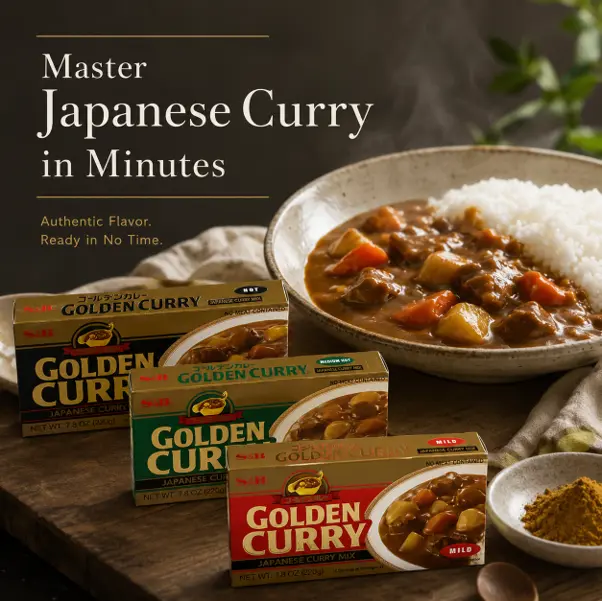
The Three Types of Japanese Curry Roux
Japanese curry roux comes in different heat levels to suit every palate:
- Mild (Amakuchi)
Smooth, comforting, and gentle. It features a rich umami depth with almost no heat, making
it perfect for kids and beginners. - Medium Hot (Chukara)
The most popular choice in Japanese homes. It offers a balanced blend of fragrant spices
with a gentle kick that warms without overpowering. - Hot (Karaguchi)
Bold, robust, and zesty. Crafted for spice lovers, it delivers a sharp, lingering heat that
elevates rich meats and hearty vegetables.
What Does Japanese Curry Roux Taste Like?
Japanese curry roux has a mild, natural sweetness with subtle aromatic spice notes.
Compared with other seasonings:
| Ingredient | Taste |
| Curry Powder | Pure dry spice flavor |
| Gravy Mix | Heavy savory meat taste |
| Curry Roux | Gentle sweetness with rich umami and aroma |
Because curry roux contains caramelized onions and warm spices, its flavor blends
smoothly into stewed broths instead of tasting overly sharp.
Curry roux also helps:
● Balance rich ingredients
● Reduce harsh spice sharpness
● Add depth to soups and stews
● Create a glossy, thick finish on rice dishes
This is one reason many Japanese curries have a smooth, balanced taste.
When Is Curry Roux Used?
Curry roux is the ultimate shortcut to making classic Japanese curry effortlessly at home.
Whenever you crave that nostalgic, comforting style of Japanese curry, simply simmer your
ingredients and drop in a roux block to transform your meal into a rich, restaurant-quality
dish in no time.
Common uses include:
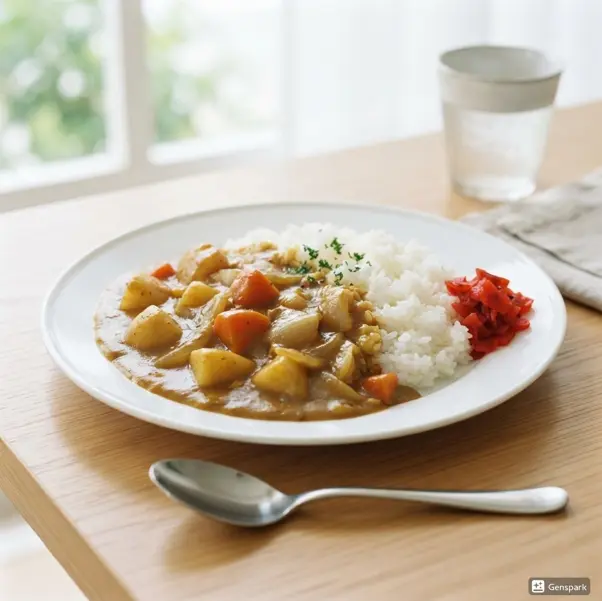
Veg Curry Rice
Veg Curry Rice is a classic comfort dish made by simmering onions, carrots, and potatoes in
a savory broth before melting in the curry roux. Served over warm Japanese rice with
crunchy sweet pickles, it offers a deeply satisfying, plant-focused meal.
Suggested MainDish products:
● S&B Golden Curry Roux – 中級 もしくは、 Hot
● Tanifuji Japanese Sticky Rice
● Fukujinzuke Pickles
● S&B Golden Curry Roux Hot + Umai rice combination set
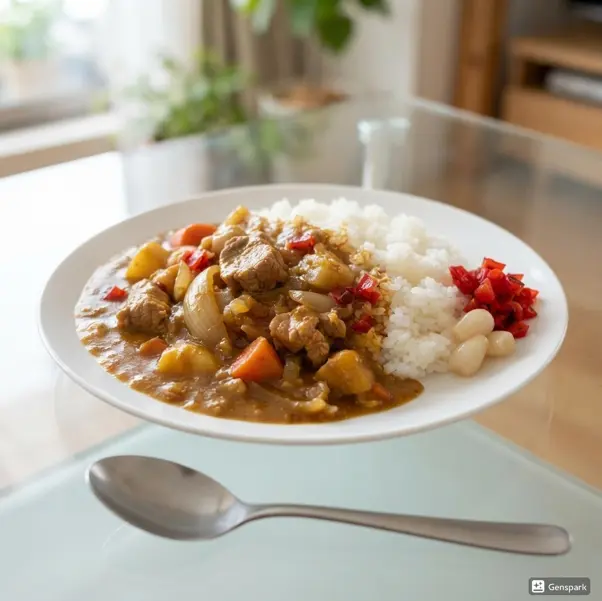
Pork Curry
Pork Curry is a beloved Japanese home-style dish. Tender slices of pork loin are seared
with onions, potatoes, and carrots, then simmered in a rich, velvety curry sauce for a
comforting, highly flavorful meal.
Suggested MainDish products:
● S&B Golden Curry Roux (Medium Hot, or Hot)
● Pork Loin Slices
● Tanifuji Japanese Sticky Rice
Why Do Japanese Cooks Use Curry Roux Instead of
Powder?
While curry powder requires extra steps like making a roux from scratch, measuring spices,
and adding thickeners, Japanese curry roux offers ultimate convenience. Each pre-portioned
block naturally contains the perfect blend of spices, rich seasonings, and thickeners, melting
effortlessly into boiling water. It allows anyone to create a perfectly thick, deeply flavorful,
and velvety curry sauce in minutes without any complicated measuring or extra steps.
Popular Japanese Recipes That Use Curry Roux
Curry roux appears in many everyday Japanese dishes, including:
● Japanese Style Curry – which can be eaten with rice or udon noodles – alongside your choice of katsu or fried cutlets
● Indian keema curry
● Curry Bread (Kare Pan)
● Doria (Baked Curry Rice Gratin)
Frequently Asked Questions
Traditional Japanese curry is known for being milder and sweeter than Indian or Thai curries.
Mild and Medium Hot options are very gentle, while Hot provides a pleasant kick without
burning.
Many vegetable-based curry recipes use curry roux, but always check the product packaging
as some brands may include small amounts of animal fats or stocks.
No.
Curry powder is purely a blend of dry spices, while curry roux contains fat, flour, and
seasonings that naturally thicken and flavor a dish into a complete gravy.
Unused roux blocks inside the inner sealed tray should be kept in an airtight container or
sealable bag in the refrigerator once opened.
Final Thoughts
Japanese curry roux is one of the essential seasonings in Japanese cooking. Its gentle
sweetness, rich aroma, and ability to balance savory flavors make it a staple in everything
from simple weeknight dinners to comforting noodle bowls. If you’re starting your Japanese
cooking journey, keeping curry roux alongside soy sauce and mirin will allow you to prepare
many classic Japanese recipes with authentic flavor.