 JA
JA  EN
EN 
Introduction
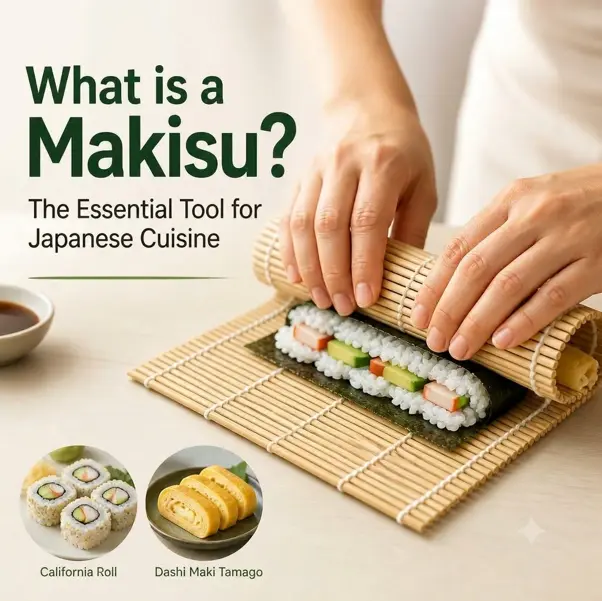
If you’ve ever looked at a Japanese recipe or watched a sushi chef at work, you’ve probably
seen a makisu on the kitchen counter. Although it may seem like a simple craft tool, the
makisu plays an essential role in shaping the iconic presentation and delicate forms that
Japanese food is known for. Whether you’re making classic rolled sushi, California rolls, or
neatly shaped dashimaki tamago, understanding how to use a makisu will help you prepare
authentic Japanese dishes at home.
What Is a Makisu?
A makisu is a traditional Japanese bamboo rolling mat woven together with cotton string. It
has been an essential utensil in Japanese kitchens for hundreds of years.
Unlike rigid boards or plastic wraps alone, a makisu provides flexible yet firm support,
allowing cooks to press, shape, and roll ingredients into clean, uniform cylinders without
crushing them.
In Japanese cooking, a makisu is often paired with:
● Nori (seaweed sheets) & sushi rice
● Fresh sashimi-grade fish (Tuna, Salmon)
● Pickled vegetables & egg strips
● Dashimaki tamago (rolled omelettes)
Beginner Tip: A makisu is a shaping tool, not a cooking surface. To keep your
mat clean and prevent rice from sticking, cover it tightly with clear plastic wrap
before rolling.
What Are the Benefits of Using a Makisu?
A makisu gives home cooks professional control over texture, structure, and shape.
Compared with shaping food by hand:
| Method | Result |
| Hand Shaping | Uneven density, irregular shape, loose filling |
| Plastic Wrap Alone | Too soft, lacks structural support for clean cutting |
| Makisu (Bamboo Mat) | Uniform tightness, crisp edges, smooth round or square profile |
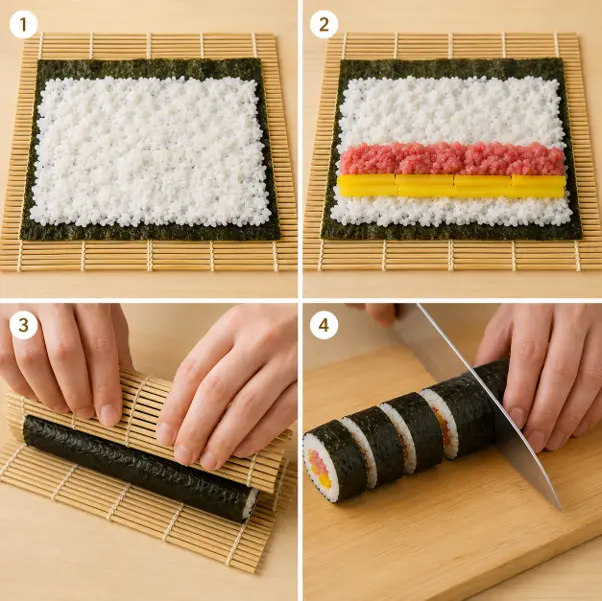
Because bamboo slats flex in only one direction, the makisu distributes even pressure along
the entire length of your roll, ensuring filling ingredients stay centered and neat.
A makisu also helps:
● Create tight, clean rolls that do not fall apart when sliced
● Remove excess moisture from cooked egg rolls
● Ensure consistent presentation for home sushi platters
● Protect delicate ingredients from being squashed during shaping
This is one reason why Japanese rolled dishes always look refined and restaurant-quality.
How Makisu Is Used in Japanese Cooking
A makisu is the ultimate essential tool for creating beautifully shaped, traditional Japanese
dishes at home.
Whenever you want to prepare iconic rolled dishes, using a bamboo mat allows you to
achieve clean edges and tight shapes effortlessly.
Common uses include:
カリフォルニアロール
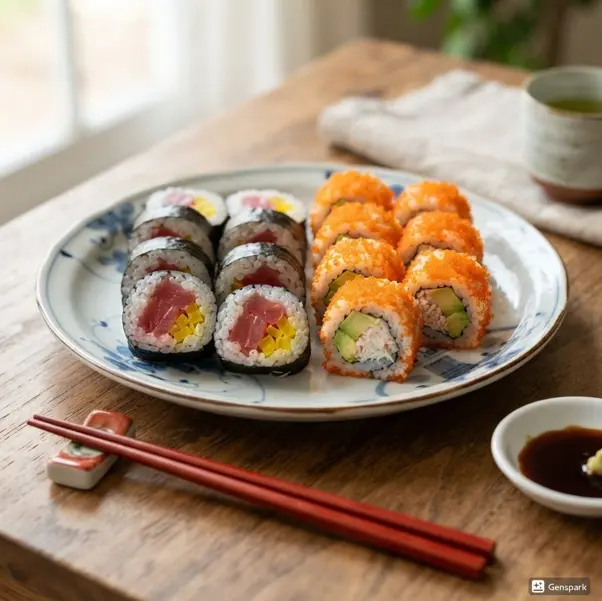
California rolls are a globally celebrated inside-out sushi roll. Crafting an inside-out roll where
the rice is on the outside requires the firm, uniform support of a plastic-wrapped makisu to
keep the rice, creamy filling, and vibrant tobiko topping firmly bound together.
Suggested MainDish products:
● Atlantic Salmon Sushi Grade
● Tobikko
● Kanikama (Crab Sticks)
Torotaku Roll
Torotaku is a popular Japanese specialty sushi roll combining rich, fatty tuna with crunchy
pickled radish. The makisu ensures that the delicate, minced tuna and crisp takuan strips are
tightly sealed inside crispy nori for the perfect balance of textures.
Suggested MainDish products:
● blue fin tuna sushi grade
● 焼き海苔
● Takuan (Pickled Radish)
Dashimaki Tamago (Japanese Rolled Omelette)
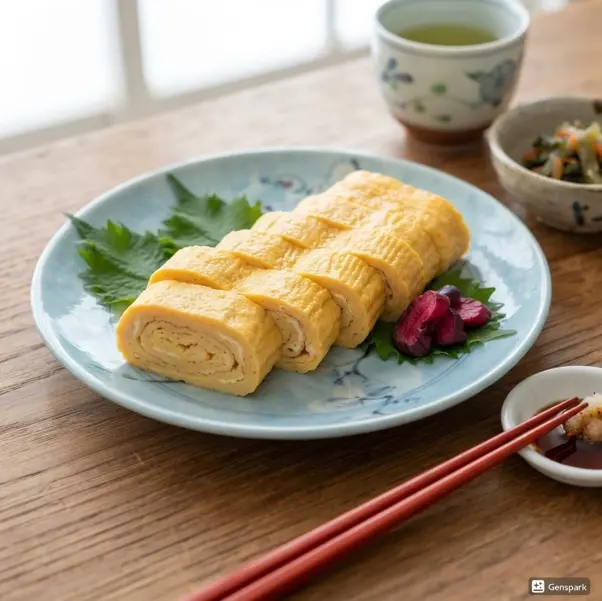
Dashimaki tamago is a beloved Japanese comforting staple made by rolling thin layers of
dashi-infused cooked egg. Immediately after cooking, wrapping the hot omelette in a makisu
shapes it into a beautiful, ridged rectangular block as it cools.
Suggested MainDish products:
● しょうゆ
● Dashi No Moto
● Sweet Cooking Seasoning (Mirin style)
Why Do Japanese Cooks Use a Makisu Instead of Hands Alone?
While shaping by hand might work for simple rice balls, a makisu offers structural benefits
that hands alone cannot provide.
A makisu helps:
● Apply firm, uniform pressure across long rolls
● Create signature ridges on delicate rolled eggs
● Keep hands clean while working with sticky sushi rice
● Achieve restaurant-grade presentation in seconds
● Save time by making rolls easy to cut cleanly with a sharp knife
For this reason, both professional chefs and Japanese home cooks treat the makisu as an
irreplaceable shortcut to beautiful food presentation.
Popular Uses for a Makisu in Japanese Cooking
The makisu appears in many traditional rolling and shaping tasks, including:
● Futomaki (Thick Sushi Rolls)
● Hosomaki (Thin Sushi Rolls like Cucumber or Tuna)
● Uramaki (Inside-Out California Rolls)
● Dashimaki Tamago / Tamagoyaki (Rolled Omelettes)
● Datemaki (Sweet Rolled Omelette for New Year)
● Squeezing excess water from blanched spinach (Horenso no Ohitashi)
Frequently Asked Questions
Rinse your makisu with warm water and a soft sponge immediately after use. Avoid using
harsh dishwasher detergents or placing it in the dishwasher, as high heat can warp or split
the bamboo slats. Always air-dry it completely before storing to prevent mold.
Yes! Wrapping your makisu in plastic wrap is highly recommended, especially when making
inside-out rolls (Uramaki) where rice touches the mat directly. It prevents rice from sticking
between the bamboo slats and makes cleanup effortless.
Most bamboo mats have one flat side and one rounded side. Place the flat side facing up
(toward your ingredients) and the rounded side facing down against your cutting board for
smooth, even rolling.
While a clean kitchen towel topped with plastic wrap can work in an emergency, it lacks the
rigid bamboo structure needed to create firm, crisp edges. Investing in an authentic bamboo
makisu is best for true Japanese culinary results.
Final Thoughts
The makisu is one of the most foundational and empowering tools in Japanese culinary
culture. Its simple bamboo design and ability to turn loose ingredients into clean, beautifully
structured rolls make it an indispensable asset for sushi lovers and home cooks alike. If you
are starting your journey into Japanese cooking, keeping a makisu alongside your Japanese
ingredients will allow you to craft authentic, visually stunning meals with confidence.