 JA
JA  EN
EN 

Introduction
Ramen is one of Japan’s most loved comfort foods. While a bowl of ramen from a restaurant may seem complicated, making delicious ramen at home is much easier than many beginners think. With a few authentic Japanese ingredients, you can prepare a rich, satisfying bowl in your own kitchen. This guide explains which products are essential, which ingredients are optional, and how to build a ramen starter bundle for your home in India.
What Is a Ramen Bundle?
A ramen bundle is a collection of ingredients that helps you prepare authentic Japanese ramen at home.
A basic bowl of ramen consists of:
- Ramen noodles
- Soup base (broth and seasoning)
- Toppings
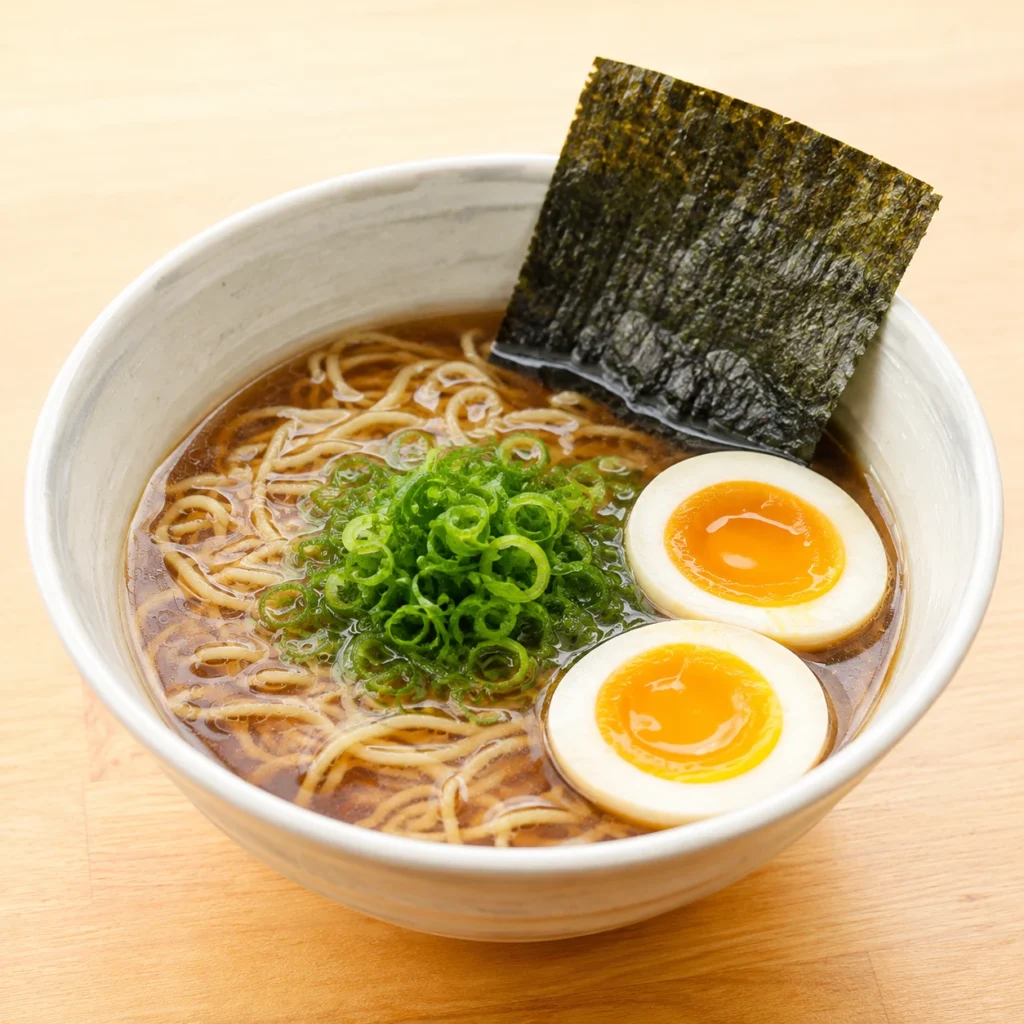
From there, you can customize your bowl with vegetables, eggs, meat, seafood, or tofu.
Whether you enjoy shoyu ramen (soy sauce ramen), miso ramen, or creamy paitan ramen, the same basic ingredients are used.
Essential Products
These are the core ingredients for almost every bowl of Japanese ramen.
1. Ramen Noodles
The noodles are the foundation of the dish.
Japanese ramen noodles are made from wheat flour and have a firm, springy texture that is different from instant noodles or Italian pasta.
- Fresh noodles
- Frozen noodles
- Dried noodles
Each type can produce excellent results when cooked according to the package instructions.
2. Ramen Soup Base
The soup gives ramen its signature flavor.
Common varieties include:
- Shoyu Ramen – soy sauce-based broth with a light, savory taste.
- Miso Ramen – made with fermented soybean paste for a rich and slightly sweet flavor.
- Paitan Ramen – creamy rich flavour broth, known for its rich and hearty taste.
Using a ready-made soup base is an easy way for beginners to make authentic ramen at home.
Popular Ramen Toppings
One of the best things about ramen is that every bowl can be customized.
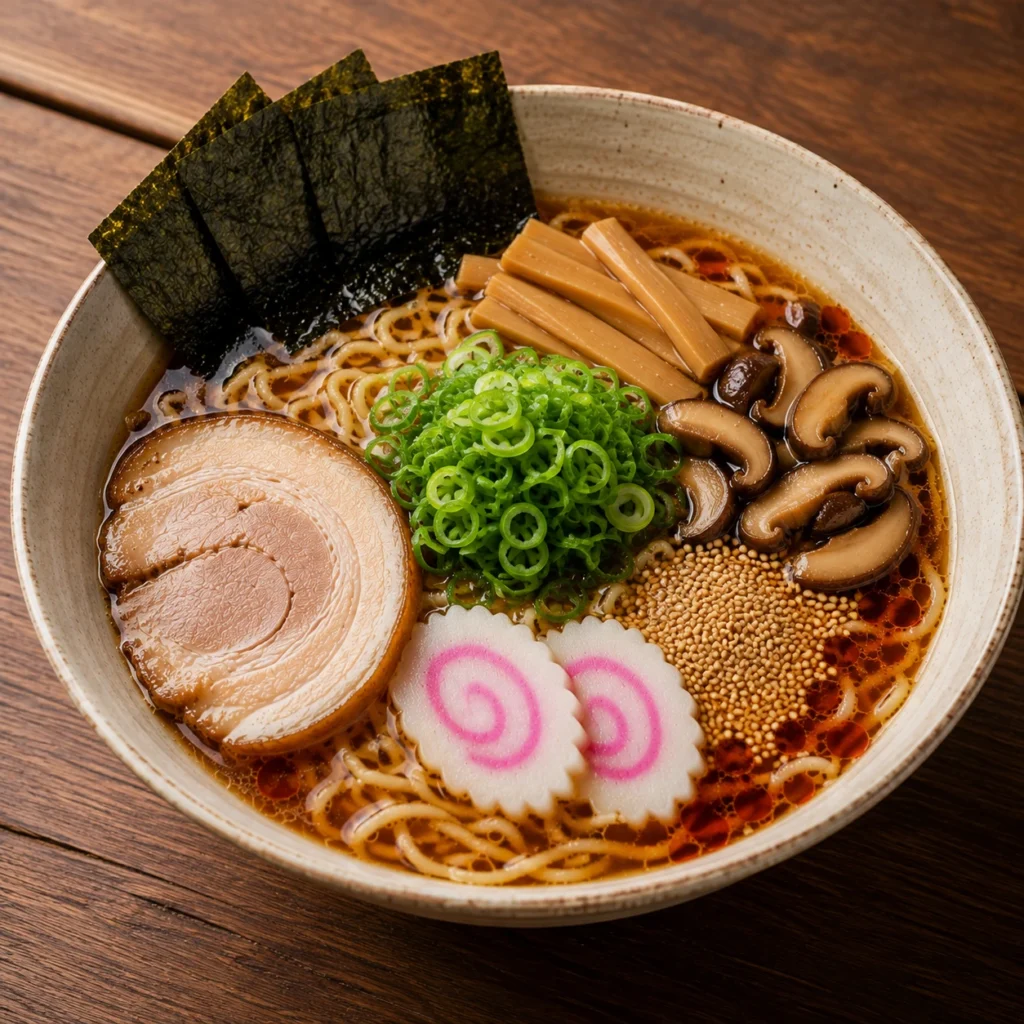
Popular toppings include:
Soft-Boiled Egg (Ajitsuke Tamago)
A marinated soft-boiled egg with a creamy yolk.
One of the most popular ramen toppings.
Nori (Roasted Seaweed)
Adds a light seaweed aroma and a crisp texture.
Spring Onions
Provide freshness and a mild onion flavor.
Bamboo Shoots (Menma)
Crunchy fermented bamboo shoots that add texture and a slightly sweet flavor.
Sweet-Corn
Miso ramen with corn is especially popular.
Adds sweetness and color.
Sweet Corn and Butter
A classic Hokkaido-style combination that pairs well with miso ramen.
Mushrooms
Shiitake and enoki mushrooms both work well.
Chashu (Braised Pork)
Thin slices of slow-cooked pork are a traditional topping for many ramen styles.
豆腐
A good vegetarian option that absorbs the soup beautifully.
Optional Products
These ingredients help you recreate restaurant-style ramen but are not mandatory.
ごま油
A few drops add aroma and richness.
Chili Oil (Rayu)
Perfect for anyone who enjoys a little heat.
White Pepper
Frequently used at Japanese ramen shops to season the finished bowl.
Fish Cake (Narutomaki)
The white fish cake with the pink swirl is a classic ramen garnish.
Sesame Seeds
A small sprinkle adds extra aroma and texture.
Miso Paste
Useful if you’d like to make your own miso ramen broth from scratch.
Frequently Asked Questions
You can, but authentic Japanese ramen noodles have a firmer texture and absorb the broth differently.
Yes.
Many Japanese home cooks prepare vegetarian ramen using vegetable broth, miso, mushrooms, tofu, sweet corn, and seaweed.
Shoyu ramen is often the easiest place to start because it has a balanced, familiar savory flavor.
If you enjoy richer soups, miso ramen is another excellent choice.
Yes.
Using ready-made soup bases and fresh or dried noodles allows you to prepare authentic Japanese ramen in about 15 to 20 minutes.
🇯🇵 Bonus: Japanese Insider Tip
Ramen culture in Japan is incredibly diverse, with distinct regional styles (Gotōchi Ramen) found all across the country—from the rich tonkotsu of Hakata to the miso-based soups of Hokkaido. While some households enjoy crafting traditional recipes from scratch, many others celebrate this variety by using high-quality packaged ramen or concentrated soup bases as a base. This allows families to personalize their bowls with fresh, local, or seasonal ingredients, reflecting their own unique preferences and family traditions.
Final Thoughts
Mastering the art of ramen at home might seem complex, but with a curated starter bundle and a few high-quality staples, it becomes an accessible and rewarding culinary ritual. By balancing the richness of your soup base with the fresh, crunchy textures of traditional toppings, you can create a bowl that rivals your favorite ramen shop. Whether you prefer the savory depth of shoyu, the heartiness of miso, or the clean finish of shio, assembling your own ramen is a creative and deeply satisfying practice. Take a moment to appreciate the depth of flavor in every spoonful, savor the harmony of your ingredients, and enjoy the simple pleasure of bringing the authentic taste of Japan to your own table.