EN
EN  JA
JA 
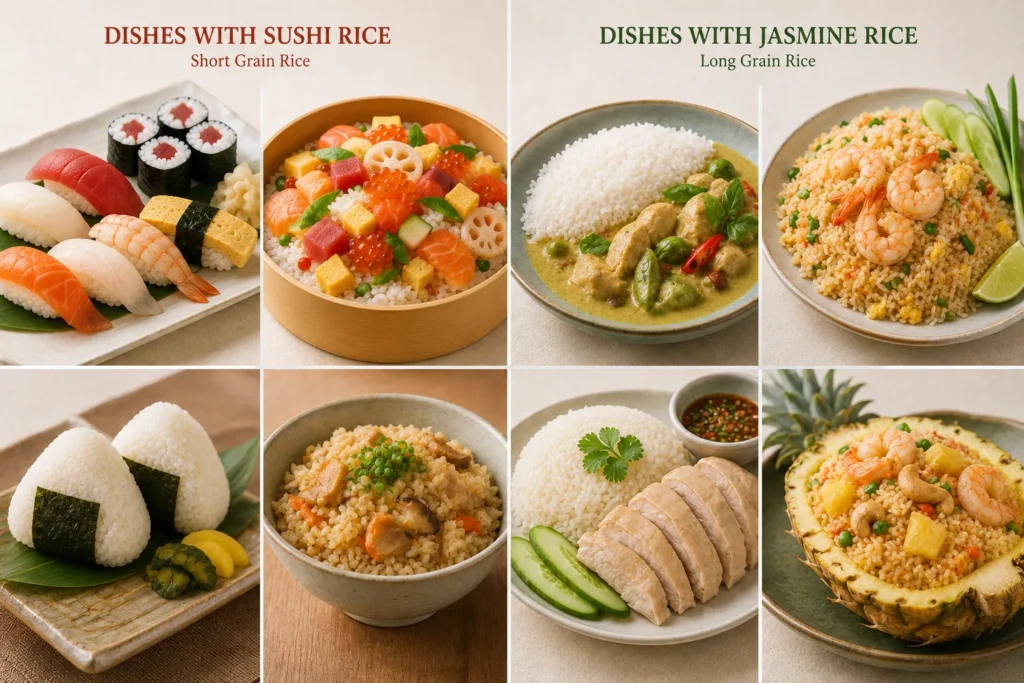
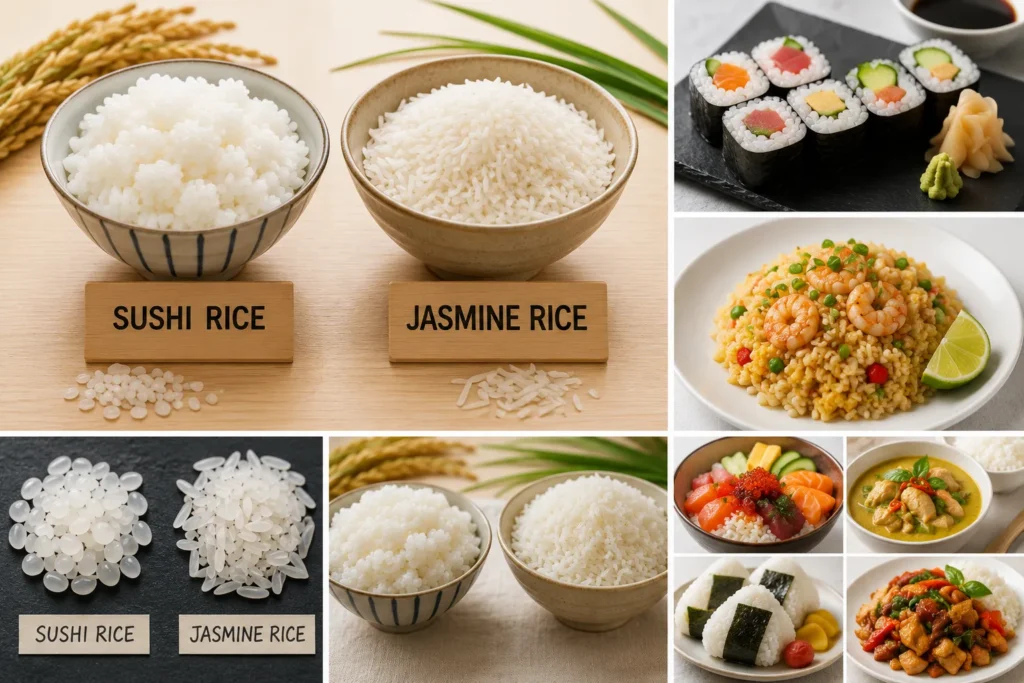
Rice is the foundation of many Asian cuisines, but not all rice is the same. Two of the most popular varieties are Sushi Rice and Jasmine Rice. While both are delicious, they are designed for very different dishes and cooking styles.
In this guide, we’ll compare their characteristics, texture, flavor, and best uses to help you choose the right rice for your recipes.
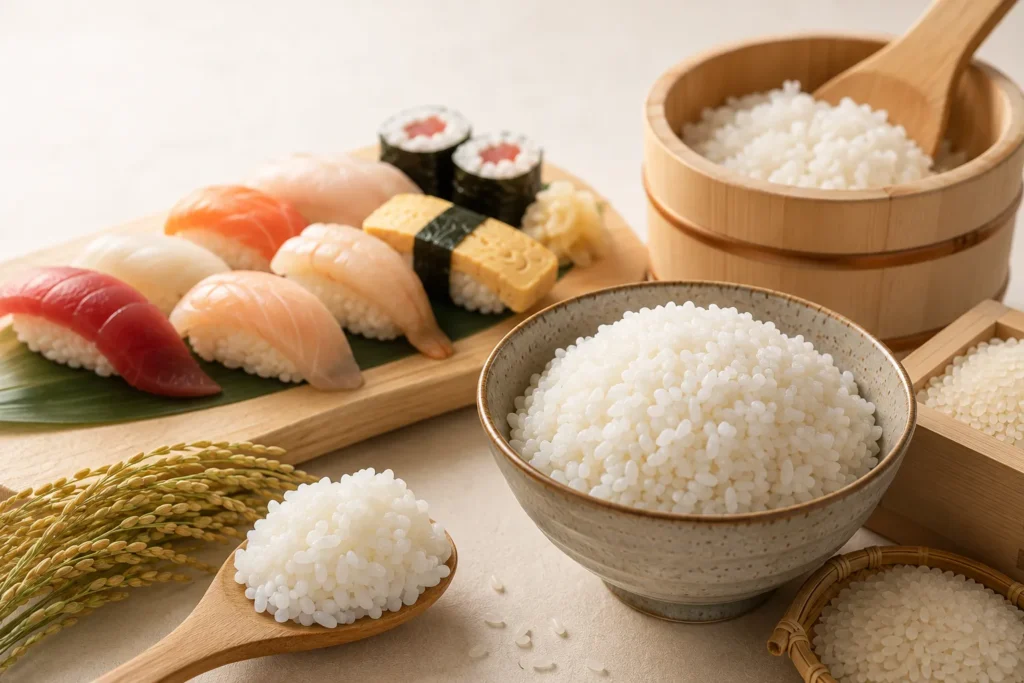
What is Sushi Rice?
Sushi rice is a Japanese short-grain rice known for its soft, sticky texture. After cooking, it is typically seasoned with a mixture of rice vinegar, sugar, and salt to create the signature flavor of sushi.
Key Characteristics
- Short-grain rice
- Sticky and slightly chewy texture
- Mild, slightly sweet flavor
- Holds its shape well when molded
Best Uses
- Sushi
- Onigiri (Rice Balls)
- Chirashi Sushi
- Rice Bowls (Donburi)
- Japanese Bento
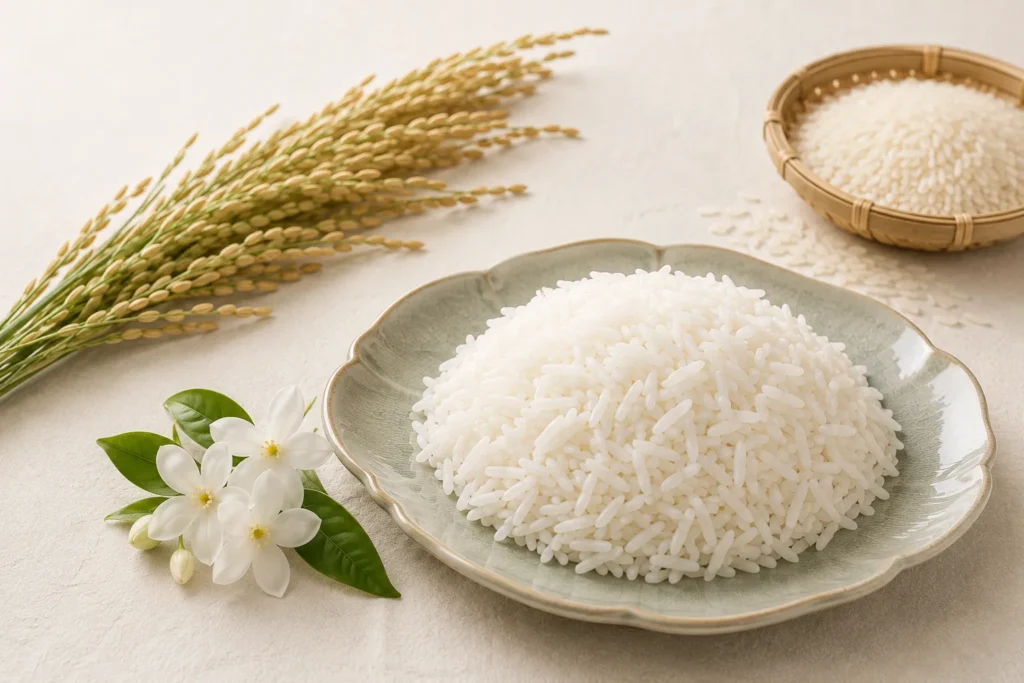
What is Jasmine Rice?
Jasmine rice is a long-grain aromatic rice originally from Thailand. It has a naturally fragrant aroma and fluffy texture after cooking.
Unlike sushi rice, the grains remain separate and light, making it ideal for Southeast Asian cuisine.
Key Characteristics
- Long-grain rice
- Light and fluffy texture
- Fragrant floral aroma
- Soft but non-sticky
Best Uses
- Thai Curry
- Fried Rice
- Stir-fried Dishes
- Grilled Meat
- Southeast Asian Cuisine
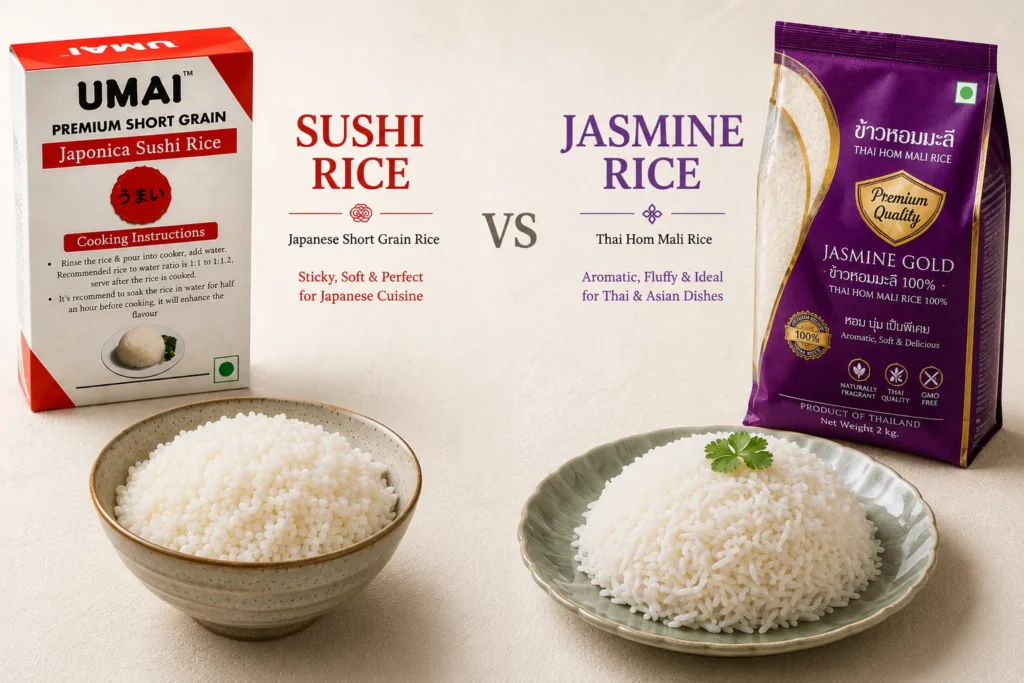
Sushi Rice vs. Jasmine Rice
| Feature | Sushi Rice | Jasmine Rice |
| Grain Type | Short-grain | Long-grain |
| Texture | Sticky & chewy | Fluffy & separate |
| Aroma | Mild | Fragrant |
| Stickiness | High | Low |
| Best For | Japanese dishes | Thai & Southeast Asian dishes |
Can You Substitute One for the Other?
Technically, yes—but the results will be quite different.
Using Jasmine Rice Instead of Sushi Rice
- Sushi may fall apart because the rice is not sticky enough.
- Rice balls are difficult to shape.
- Texture will be much lighter.
Using Sushi Rice Instead of Jasmine Rice
- Fried rice may become sticky.
- Curry dishes will have a heavier texture.
- Individual grains will not remain separate.
Which Rice Should You Choose?
Choose Sushi Rice if you are making:
- Sushi
- Onigiri
- Japanese rice bowls
- Bento meals
Choose Jasmine Rice if you are making:
- Thai curry
- Fried rice
- Stir-fried dishes
- Grilled chicken or beef
- Southeast Asian cuisine
Final Thoughts
Although both are excellent types of rice, Sushi Rice and Jasmine Rice are designed for different purposes.
If you want authentic Japanese cuisine, Sushi Rice is the ideal choice thanks to its sticky texture and ability to hold its shape.
For Thai and Southeast Asian dishes, Jasmine Rice offers a fragrant aroma and fluffy texture that perfectly complements curries, stir-fries, and grilled meats.
Choosing the right rice can make a significant difference in both the texture and overall dining experience.