 EN
EN  JA
JA 
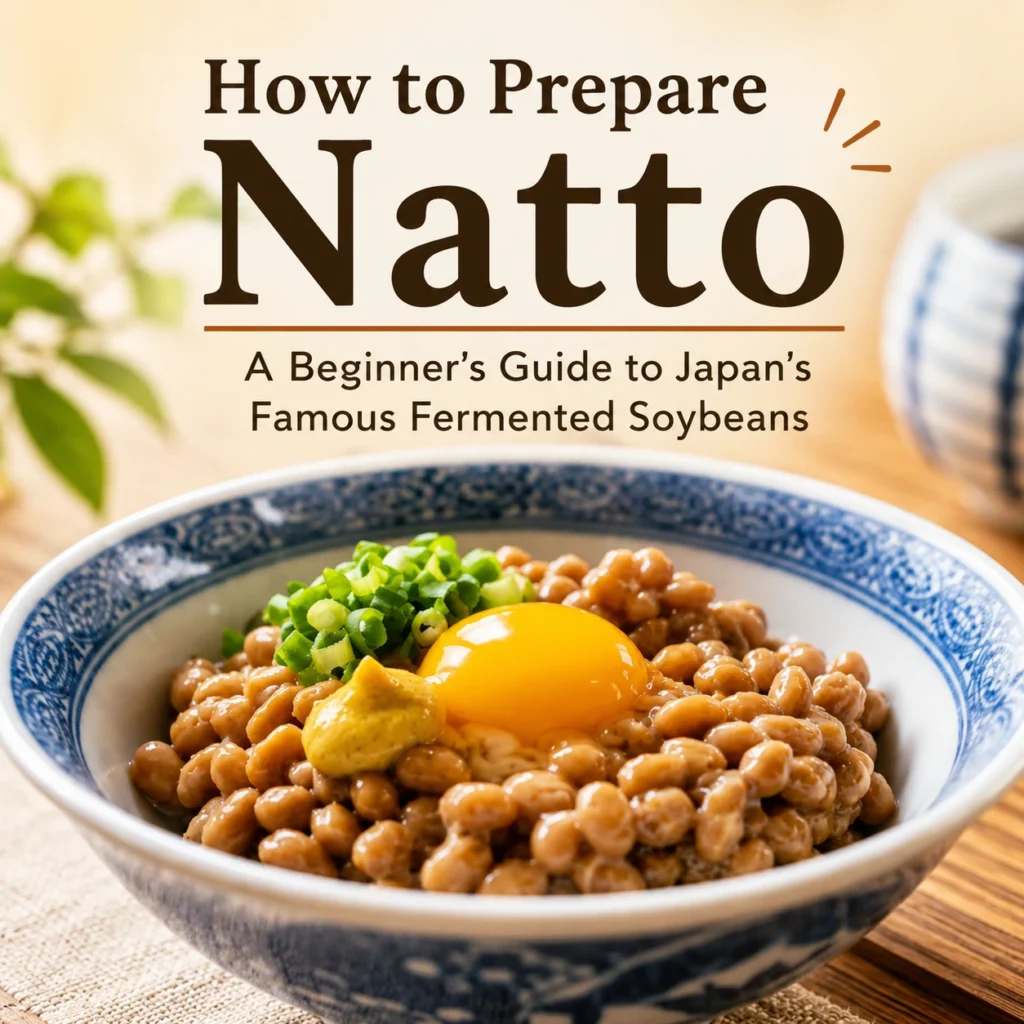
Introduction
Natto is one of Japan’s most traditional foods. Made from fermented soybeans, it is known for its sticky texture, unique aroma, and rich, savory flavor. While it may seem unusual at first, natto is a daily breakfast staple for many Japanese families and is enjoyed in a variety of simple dishes. If you’re trying natto for the first time in India, this guide will show you how to prepare it properly, serve it in delicious ways, and store it safely.
What Is Natto?
Natto is made by fermenting whole soybeans with a beneficial bacterium called Bacillus subtilis. During fermentation, the beans develop thin, sticky strands and a deep umami (savory) flavor.
Unlike tofu or soy milk, natto is eaten as it is after thawing and mixing. It is most commonly served over warm Japanese rice.
Natto is often enjoyed with:
- Steamed Japanese rice
- Soy sauce
- Japanese mustard (Karashi)
- Spring onions
- Raw egg (optional)
- Nori (roasted seaweed)
- Kimchi
- Avocado
Although natto is famous for its strong smell and sticky texture, many people find it becomes more enjoyable after trying it a few times.
What Products Do I Need?
Preparing natto requires very little.
Essential Ingredients
Common Seasonings
- Soy sauce
- Karashi (Japanese mustard)
- Spring onions
Optional Toppings
- Nori strips
- Kimchi
- Sesame seeds
- Avocado
- Shiso leaves (Japanese herb)
- Soft-boiled or raw egg (only if food safety standards allow)
How to Prepare Natto in an Indian Kitchen
Preparing natto is simple because it is already fully fermented and ready to eat.
Step 1: Defrost the Natto
If your natto is frozen, move it to the refrigerator.
Allow it to thaw overnight or for several hours.
Avoid using hot water or a microwave, as this may affect the texture and flavor.
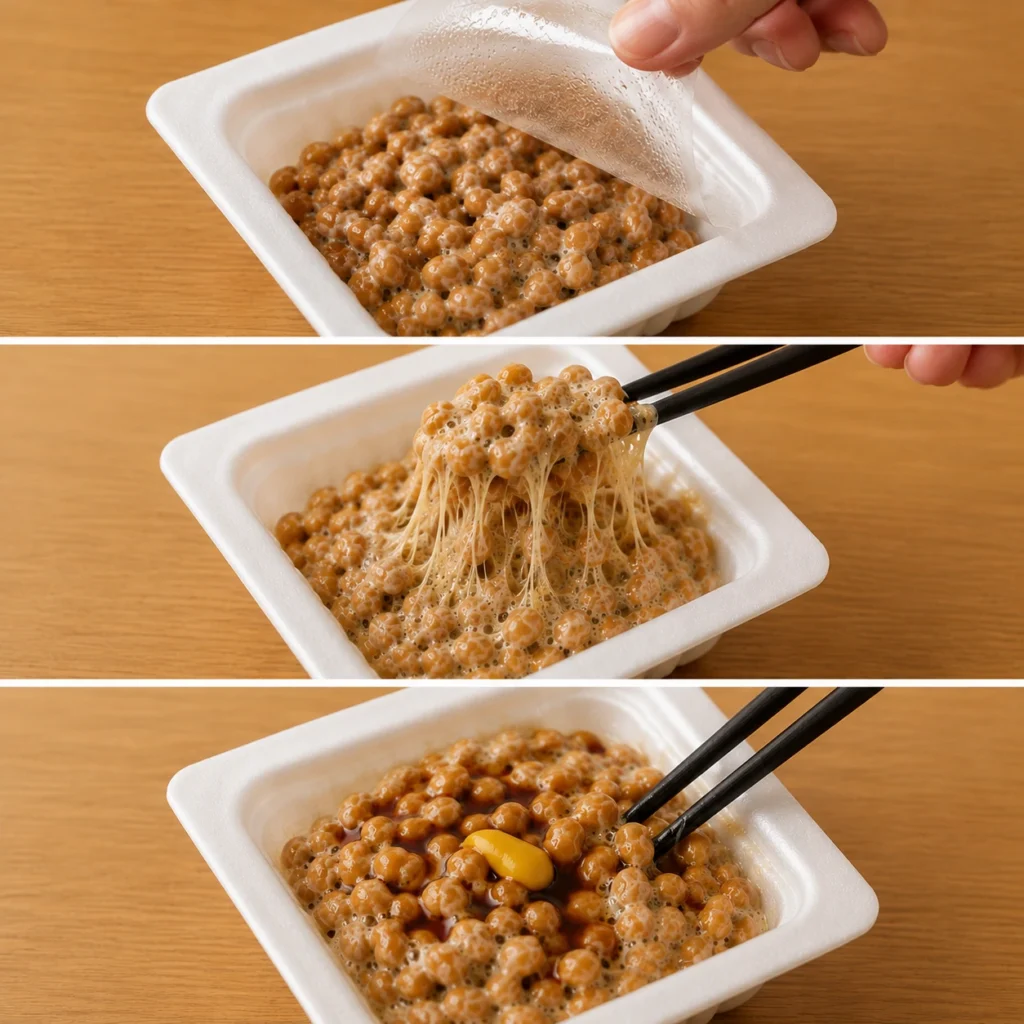
Step 2: Open the Package
Remove the transparent plastic film cover from the top of the natto pack before mixing.
Step 3: Stir the Natto Well
This is the most important step.
Using chopsticks or a spoon, stir the natto vigorously for about 30 to 60 seconds.
As you mix, you’ll notice thin white strings forming. This is completely normal and is a sign of properly fermented natto.
The texture becomes lighter, creamier, and easier to eat after mixing.
Step 4: Season to Taste
Add your preferred amount of soy sauce and Karashi mustard, then mix thoroughly until everything is evenly combined.
Step 5: Serve
The classic way to enjoy natto is over a bowl of freshly cooked Japanese rice.
You can also add:
- Chopped spring onions
- Nori strips
- Sesame seeds
- Kimchi
- Avocado
These toppings add extra flavor and texture while keeping the dish simple.
Easy Ways to Enjoy Natto
Once you’re comfortable with the traditional style, try using natto in other Japanese dishes.
Natto Rice Bowl
Serve natto over hot Japanese rice with spring onions and soy sauce.
Natto Sushi Roll
Roll natto with rice and nori to make a simple sushi roll.
Natto Udon
Mix natto into warm udon noodles for a quick meal.
Natto Toast
Spread natto on toasted bread with butter or cheese for a Japanese-style fusion breakfast.
Natto Salad
Add natto to a salad with avocado, cucumber, and sesame dressing.
Common Mistakes to Avoid
Not Stirring Enough
Natto develops its smooth, creamy texture only after thorough mixing.
Skipping this step often makes the texture feel heavier and the flavor less balanced.
Heating Natto Too Much
Natto is best enjoyed at room temperature or slightly cool.
Adding it to very hot dishes is fine, but avoid cooking it over direct heat for a long time.
Judging the Sticky Strings
The sticky threads are a natural part of fermented natto.
They are expected and indicate proper fermentation.
Eating It Straight from the Freezer
Frozen natto should always be thawed first for the best texture and flavor.
Adding Too Many Strong Flavors
For your first few servings, keep the toppings simple.
This helps you appreciate the unique taste of natto before experimenting with more ingredients.
How to Store Natto in Indian Weather
India’s warm climate makes proper storage especially important.
Before Opening
Keep natto frozen until you’re ready to eat it.
Avoid repeated thawing and refreezing.
After Thawing
Store natto in the refrigerator.
Consume it within 1 to 2 days after thawing for the best quality.
After Opening
Cover any leftovers tightly and refrigerate immediately.
Because natto continues to ferment slowly, it tastes best when eaten as soon as possible after opening.
Frequently Asked Questions
No.
Natto is fully fermented and ready to eat after thawing.
The fermentation process creates natural sticky strands.
This is one of natto’s unique characteristics.
Yes.
Although rice is the traditional choice, natto also pairs well with salads, noodles, toast, and even pasta.
Yes.
Traditional natto is made from soybeans, water, and fermentation bacteria.
However, check the included seasoning packets, as some may contain fish-based ingredients.
Vegetarians can season natto with plain soy sauce or other plant-based seasonings.
Bonus: 🇯🇵 Japanese Insider Tip
Many Japanese home cooks stir natto before adding the soy sauce and mustard.
Mixing first allows more air to enter the fermented soybeans, creating a lighter, creamier texture with finer sticky strands. After the natto becomes fluffy, the seasoning is added and stirred in briefly. It’s a small technique that many people in Japan believe brings out the best flavor and texture.
Final Thoughts
Mastering the art of enjoying natto at home might seem nuanced, but with the simple ritual of mixing the beans to a light, creamy consistency and pairing them with your favorite accompaniments, it becomes an effortless and deeply nourishing practice. By respecting the unique texture and fermentation, you can unlock the rich umami and subtle complexities that define authentic Japanese cuisine. Whether you are serving it over steaming rice, tossing it with crisp greens, or experimenting with fusion dishes like natto toast, bringing this traditional breakfast staple to your table is a wonderful way to connect with Japanese culture. Take a moment to stir well, appreciate the sticky, delicate strings, and enjoy the simple joy of creating a protein-rich, authentic meal right in your own kitchen.