 EN
EN  JA
JA 
Introduction
If you’ve ever looked at a Japanese recipe, you’ve probably seen mirin listed alongside soy
sauce and sake. Although it may seem like a small ingredient, mirin plays an important role
in creating the balanced, gentle flavors that Japanese food is known for. Whether you’re
making teriyaki, ramen eggs, or simmered vegetables, understanding mirin will help you
cook authentic Japanese dishes at home.
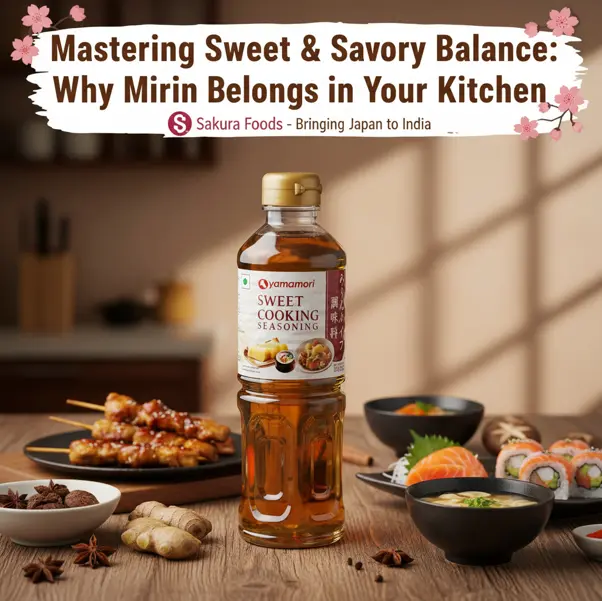
While, traditional mirin is not sold by MainDish in India as it contains alcohol; instead, we offer a Japanese-made, alcohol-free Sweet Cooking Seasoning (Mirin Substitute) that provides similar sweetness and depth of flavour.
What Is Mirin?
Mirin is a traditional Japanese sweet cooking seasoning made from glutinous rice, rice koji (a
fermentation starter), and alcohol. It has been used in Japanese kitchens for hundreds of
years.
Unlike table sugar, mirin adds more than sweetness. It also gives food a rich aroma, a
glossy finish, and a smooth, well-rounded flavor.
In Japanese cooking, mirin is often paired with:
● Soy sauce
● Sake
● Miso
● Dashi (Japanese soup stock)
Together, these ingredients create the balanced taste known as umami, the savory flavor
that is a key part of Japanese cuisine.
Beginner Tip: Mirin is a cooking ingredient, not a drink. It is added during
cooking rather than served on its own.
What Does Mirin Taste Like?
Mirin has a mild, natural sweetness with subtle fermented rice notes.
Compared with other sweeteners:
| Ingredient | Taste |
| Sugar | Pure sweetness |
| Honey | Sweet with floral flavor |
| Mirin | Gentle sweetness with rich umami and aroma |
Because mirin contains natural sugars formed during fermentation, its sweetness blends
smoothly into sauces instead of tasting overly sugary.
Mirin also helps:
● Balance salty soy sauce
● Reduce harsh flavors
● Add depth to soups and sauces
● Create a glossy finish on meat and fish
This is one reason many Japanese sauces have a smooth, balanced taste.
When Is Mirin Used?
Mirin is one of the most commonly used seasonings in Japanese home cooking.
It is often added when food is simmered, grilled, glazed, or marinated.
Common uses include:
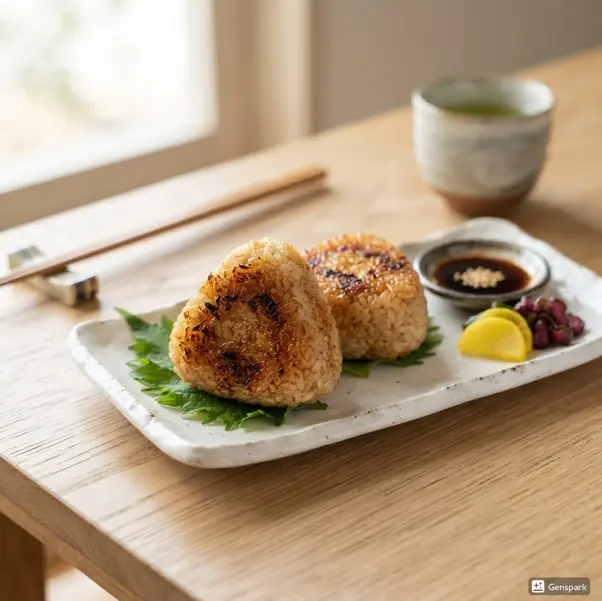
Yaki Onigiri (Grilled Rice Balls)
Yaki Onigiri are rice balls grilled until crispy on the outside and brushed with a mixture of
mirin and soy sauce. The glaze creates a rich aroma and a beautifully caramelised surface.
Suggested MainDish products:
● Umai Sticky Rice (Sushi) or Hikari Rice
● Kikkoman Soy Sauce
● Sweet Cooking Seasoning (Mirin substitute)
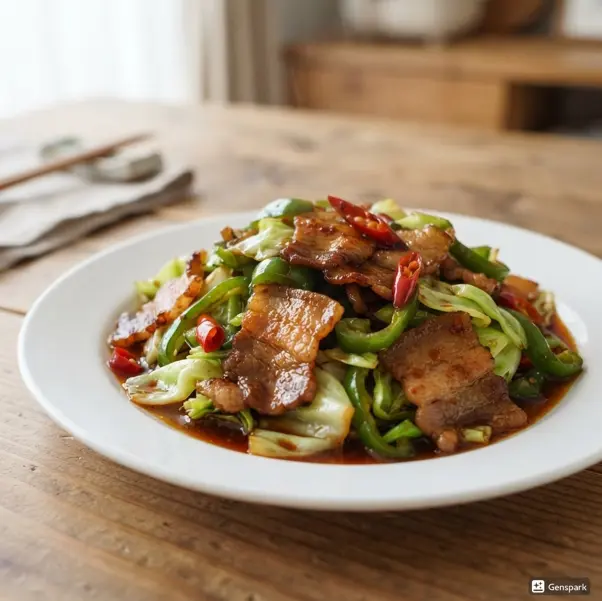
Hoikoro (Japanese-Style Twice-Cooked Pork)
Hoikoro is a popular Japanese-Chinese stir-fry made with pork and cabbage. In Japanese
home cooking, a small amount of mirin is often added to balance the saltiness of soy sauce
and miso-based seasonings, giving the dish a rounder flavour.
Suggested MainDish products:
● Pork Belly Slices
● White Miso Paste or Red Miso Paste
● Kikkoman Soy Sauce
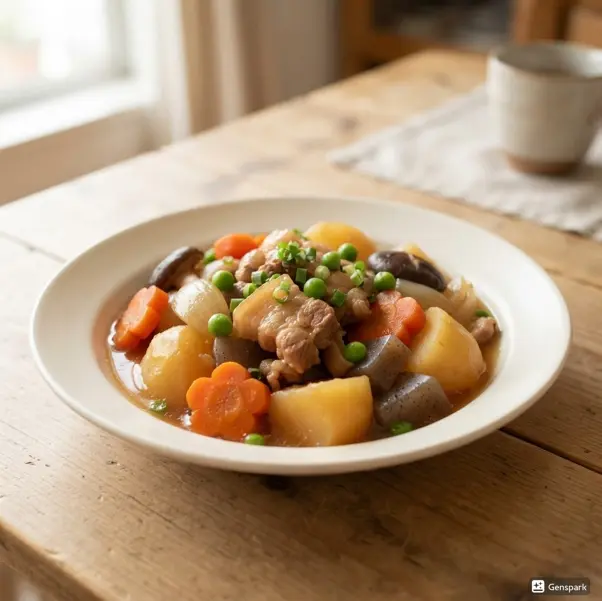
Nikujaga (Japanese Meat and Potato Stew)
Nikujaga is one of Japan’s most beloved home-style dishes. Thinly sliced pork, potatoes,
onions, and carrots are gently simmered with mirin and soy sauce to create a comforting,
slightly sweet broth.
Suggested MainDish products:
● Pork Belly Slices
● Kikkoman Soy Sauce
● Sweet Cooking Seasoning (Mirin)
Why Do Japanese Cooks Use Mirin Instead of Sugar?
Although both ingredients add sweetness, mirin provides several extra benefits.
Mirin helps:
● Add natural sweetness
● Create richer flavor
● Improve aroma
● Give sauces a glossy appearance
● Tenderize meat and fish slightly during cooking
For this reason, many traditional Japanese recipes use both sugar and mirin instead of
sugar alone.
Popular Japanese Recipes That Use Mirin
Mirin appears in many everyday Japanese dishes, including:
● Teriyaki Chicken
● Teriyaki Fish
● Sukiyaki
● Nikujaga (Japanese meat and potato stew)
● Simmered Fish
● Udon Soup
● Soba Soup
● Glazed Eggplant (Nasu Dengaku)
Frequently Asked Questions
Traditional mirin contains alcohol, but it is mainly used for cooking. Most of the alcohol
evaporates during heating, leaving behind sweetness and flavor.At Maindish.in we offer a Japanese-made, alcohol-free Sweet Cooking Seasoning (Mirin Substitute) that provides similar sweetness and depth of flavour.
Sugar adds sweetness, but it cannot provide mirin’s aroma, richness, or glossy finish. If
possible, use mirin for authentic Japanese cooking.
No.
Rice vinegar is sour and acidic, while mirin is sweet and mildly alcoholic. They have
completely different uses and should not be substituted directly.
Most mirin products are suitable for vegetarians because they are made from rice and
fermented ingredients. However, it’s always a good idea to check the product label if you
have specific dietary requirements.
Final Thoughts
Mirin is one of the essential seasonings in Japanese cooking. Its gentle sweetness, rich
aroma, and ability to balance savory flavors make it a staple in everything from teriyaki and
ramen eggs to soups and simmered dishes. If you’re starting your Japanese cooking
journey, keeping mirin alongside soy sauce and dashi will allow you to prepare many classic
Japanese recipes with authentic flavor.