 EN
EN  JA
JA 
Introduction
If you’ve ever looked at a Japanese recipe, you’ve probably seen miso listed alongside soy
sauce and mirin. Although it may seem like a simple paste, miso plays an essential role in
creating the balanced, gentle, and deeply comforting flavors that Japanese food is known
for. Whether you’re making a warm bowl of soup, a rich vegetable stew, or an elegant glazed
fish, understanding miso will help you cook authentic Japanese dishes at home.
What Is Miso and How Is It Made?
Miso is a traditional Japanese fermented seasoning made primarily from soybeans, salt, and
koji (rice, barley, or soybeans inoculated with a beneficial culture called Aspergillus oryzae).
It has been a cornerstone of Japanese kitchens for well over a thousand years.
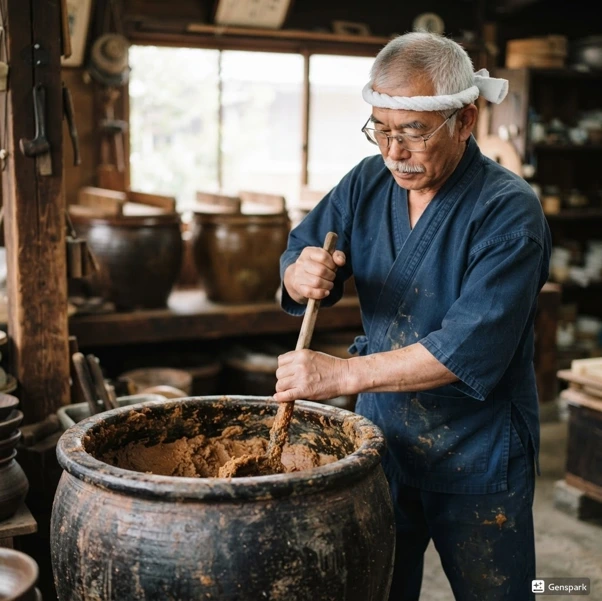
How Miso Is Made.
- Steaming the Grain & Beans: Soybeans are soaked and steamed until soft, while
rice or barley is cooked to prepare the base for koji. - Koji Culturing: The cultured grain (koji) is mixed into the rice or barley to release
enzymes that break down starches and proteins. - Mixing & Fermenting: Steamed soybeans, koji, and salt are mashed together and
packed into aging vessels. - Aging: The mixture is left to ferment anywhere from a few weeks to several years.
During this time, enzymes convert proteins into savory amino acids (umami) and
starches into subtle natural sugars.
In Japanese cooking, miso is often paired with:
● Rice
● Root vegetables and tofu
● Pork, fish, and poultry
● Dashi broth
Beginner Tip: Miso is a concentrated seasoning paste, not a finished soup or
sauce on its own. Dissolve it into warm broth or mix it into glazes for the best
flavor.
Four Representative Types of Miso
While many regional varieties of miso exist across Japan, here are four widely loved and
versatile types to explore in your cooking:
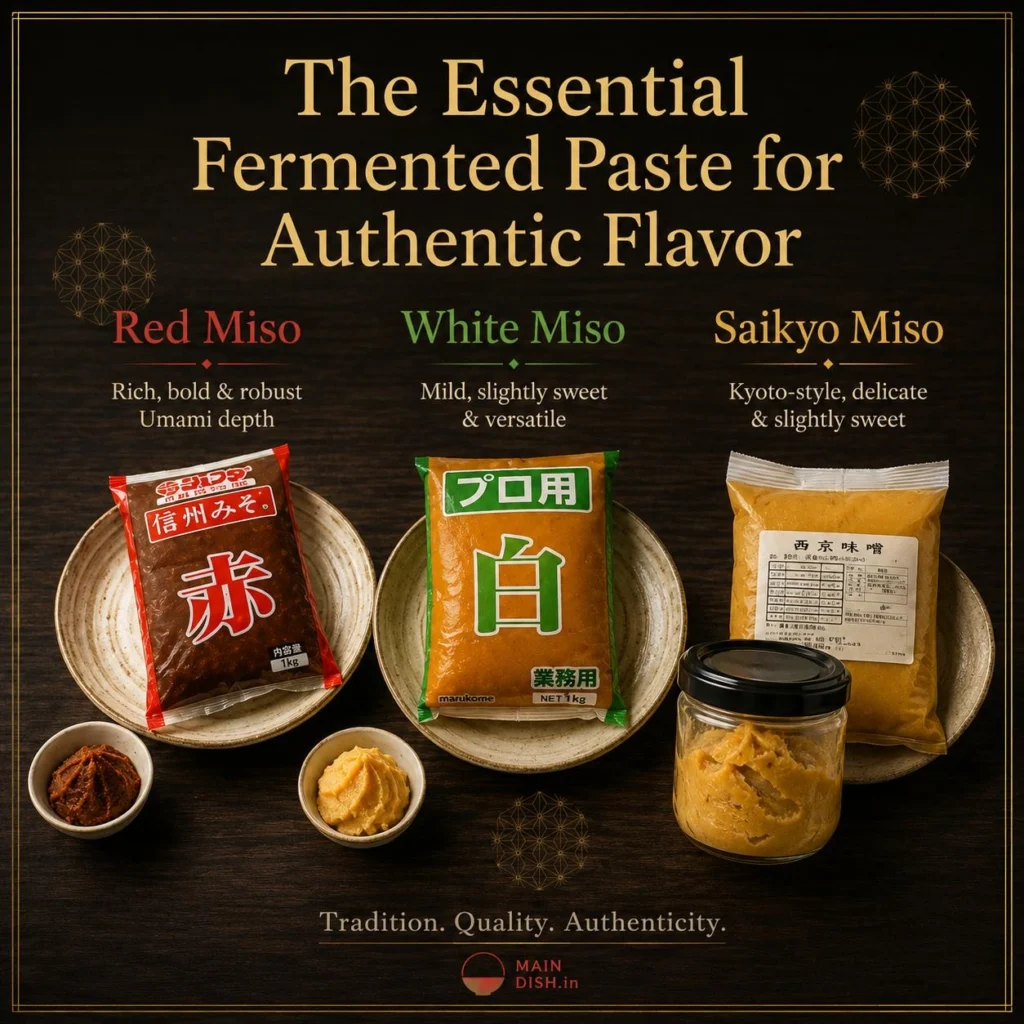
- Shiro Miso (White Miso)
Light in color with a short fermentation period. It offers a gentle, sweet, and mild taste with
lower salt content, making it wonderfully versatile for light soups and dressings. - Aka Miso (Red Miso)
Fermented for a much longer period, resulting in a dark reddish-brown color. It delivers a
bold, salty, and deep umami punch that stands up to hearty meats and rich stews. - Shinshu Miso (Yellow / Golden Miso)
Originating from Nagano (Shinshu region), this is Japan’s most classic all-purpose golden
miso. It features a slightly firm texture and a perfectly balanced, savory-salty flavor ideal for
daily use. - Saikyo Miso (Kyoto-style Sweet White Miso)
Crafted with a high proportion of rice koji and low salt, this premium Kyoto specialty is
exceptionally smooth, light, and naturally sweet—famous for elegant marinades and glazes.
What Does Miso Taste Like?
Miso has a rich, complex flavor profile that combines gentle natural sweetness, earthy tones,
and a deep savory kick.
Compared with other fermented seasonings:
| Ingredient | Taste |
| Soy Sauce | Sharp, liquid saltiness with soy aroma |
| Teriyaki Sauce | Thick, sweet, and sugary glaze |
| Mentsuyu | Rich, earthy paste with deep fermented umami |
Because miso undergoes natural aging, its flavors blend seamlessly into broths and sauces without tasting harsh or purely salty.
Miso also helps:
● Add profound depth to vegetarian broths
● Tenderize meats and seafood
● Balance rich ingredients
● Create a glossy, aromatic glaze on grilled foods
This is one reason why traditional Japanese dishes have such a comforting, well-rounded taste.
When Is Miso Used?
Miso is one of the most versatile and essential seasonings in Japanese home cooking.
Whenever you want to build a deeply comforting Japanese meal, incorporating miso into
soups, stews, sautés, or marinades delivers instant warmth and authentic flavor.
Common uses include:
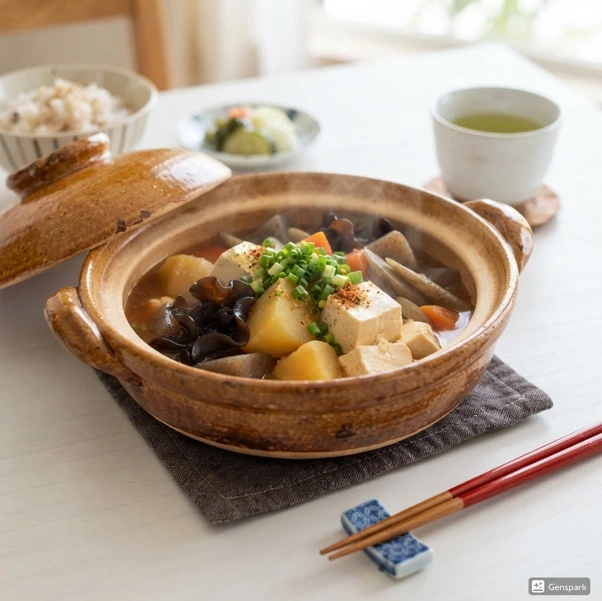
Veg Nimono (Simmered Vegetables)
Veg Nimono is a traditional, rustic stew where ingredients are simmered slowly until tender.
Adding miso to the cooking broth creates a warm, deeply savory base that infuses hearty
tofu and delicate black fungus with rich flavor.
Suggested MainDish products:
● Shiro or White Miso
● Tofu
● Black Fungus
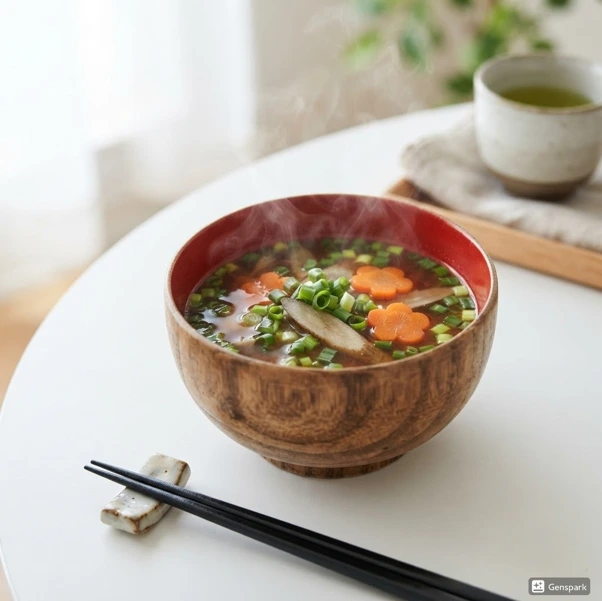
Veg Miso Soup
The quintessential Japanese comfort meal. Dissolving miso into a delicate vegetable or
dashi broth brings sweet spring onions and earthy burdock root to life for a perfectly
balanced daily soup.
Suggested MainDish products:
● Shiro or White Miso
● Spring Onion
● Burdock (Gobo)
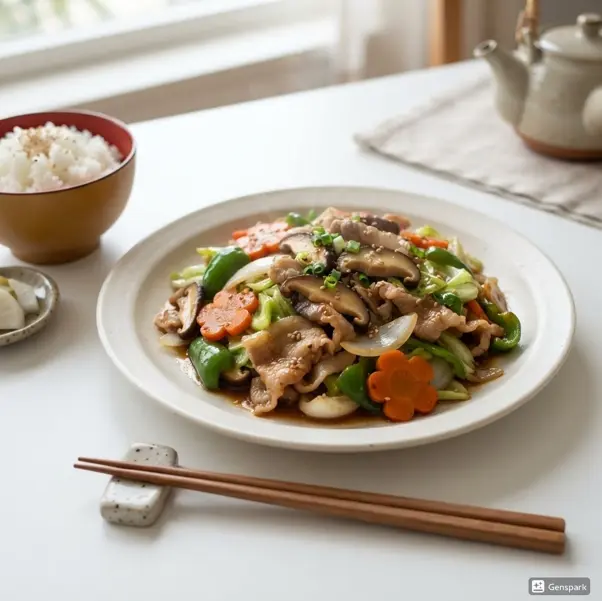
Yasai Itame (Vegetable & Pork Stir-Fry)
A fast, flavorful weeknight favorite. Tender slices of pork belly and dried shiitake mushrooms
are stir-fried with crisp vegetables and finished with a rich miso seasoning sauce for a bold,
savory meal.
Suggested MainDish products:
● Red Miso
● Pork Belly Slices
● Dried Shiitake Mushrooms
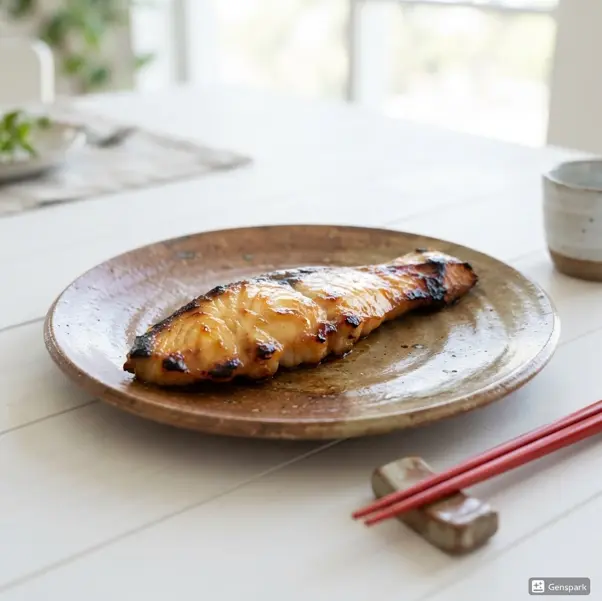
Saikyo-yaki (Miso-Marinated Fish)
An iconic Japanese masterpiece. Delicate black cod is marinated in a rich mixture of sweet
Saikyo miso and sweet cooking seasoning before being broiled to golden, caramelized
perfection.
Suggested MainDish products:
● Saikyo Miso
● Black Cod
● Sweet Cooking Seasoning (Mirin style)
Why Do Japanese Cooks Use Miso Instead of Plain Salt?
While plain salt only provides single-dimensional saltiness, miso provides a full spectrum of
natural flavor.
Miso helps:
● Add rich, natural umami depth
● Create velvety texture in broths
● Impart complex fermented aromas
● Bring out the natural sweetness of meats and vegetables
● Reduce harsh odors in fish and meat through natural fermentation properties
For this reason, Japanese home cooks rely on miso as a complete flavor booster rather than
relying on basic salt alone.
Popular Japanese Recipes That Use Miso
Miso appears in many everyday Japanese dishes, including:
● Classic Veg Miso Soup
● Potato Miso
● Pork Miso Soup
● Simmered Miso Mackerel (Saba no Miso-ni)
Frequently Asked Questions
No. Boiling miso destroys its delicate aromatic qualities and fine fermented flavor. Always
turn off or lower the heat before whisking miso into your warm broth.
Because of its high salt content and natural fermentation, miso has a long shelf life. Sealed
in an airtight container in the refrigerator, it can remain fresh and delicious for several
months to a year.
Pure soybean miso and rice-based miso (like Shiro or Saikyo miso) are typically gluten-free.
However, some varieties made with barley koji (Mugi Miso) contain gluten, so always check
the product ingredients if you have dietary restrictions.
Miso naturally continues to age slowly over time, even in the fridge. This natural process (the
Maillard reaction) turns the color slightly darker and deepens the flavor without spoiling the
product.
Final Thoughts
Miso is one of the most foundational and transformative seasonings in Japanese culinary
culture. Its gentle sweetness, rich aroma, and unmatched umami depth make it an
indispensable tool for soups, marinades, stews, and glazes alike. If you are beginning your
journey into Japanese cuisine, stocking your kitchen with miso alongside soy sauce and
mirin will empower you to create authentic, deeply satisfying meals with ease.