 EN
EN  JA
JA 
Introduction
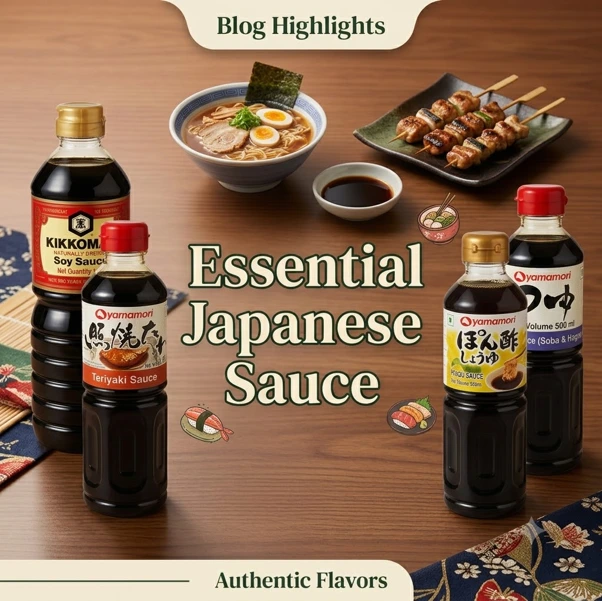
If you’ve ever looked at a Japanese recipe, you’ve probably noticed that a few iconic sauces
appear time and again. Although they may seem like simple liquid seasonings, essential
Japanese sauces play a vital role in creating the balanced, sweet, sour, and savory flavors
that Japanese food is famous for. Whether you’re assembling a fresh seafood rice bowl,
simmering a hot pot, or crafting a glistening pan-glazed fish, understanding these core
sauces will help you cook authentic Japanese dishes at home.
What Are Japan’s Essential Sauces?
Japanese cuisine relies on a harmonious balance of brewed, fermented, and blended liquid
seasonings to bring out the natural flavors of ingredients. Rather than overpowering a dish,
these sauces work to complement fresh meat, fish, noodles, and vegetables.
In Japanese cooking, essential sauces are often paired with:
● Steamed rice and noodle dishes
● Fresh sashimi and grilled seafood
● Thinly sliced meats and hot pots
● Crisp blanched vegetables and salads
Together, these sauces deliver the savory depth known as umami, creating complex flavors
with remarkable simplicity.
Beginner Tip: Japanese sauces are versatile. Many can be used directly as
dipping sauces, while others function as concentrated bases for marinades,
dressings, and simmered broths.
Four Representative Japanese Sauces
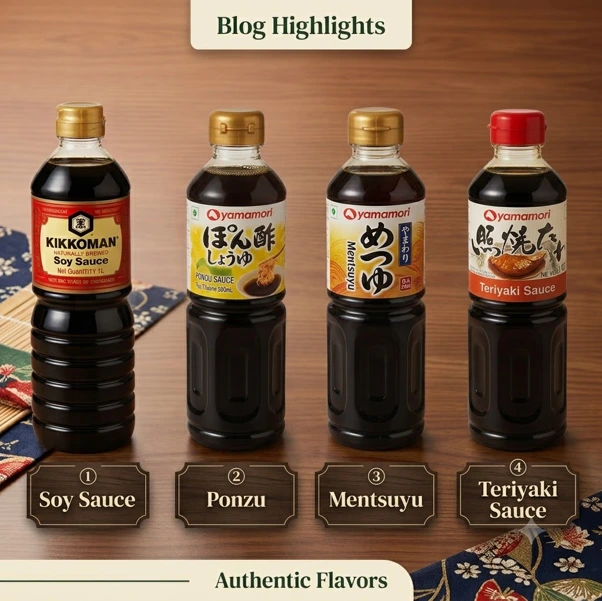
While Japanese pantries feature many regional specialty dips, here are four foundational
sauces that every home cook should know:
- Soy Sauce (Shoyu)
The absolute cornerstone of Japanese cooking. Crafted from fermented soybeans, wheat,
salt, and water, soy sauce provides a deep mahogany color, rich aromatic depth, and an
essential hit of liquid umami that highlights raw fish and seasoned cooked dishes alike. - Ponzu
A bright, refreshing citrus-infused soy sauce seasoning. Combining soy sauce with citrus
juice (such as yuzu or sudachi) and a hint of dashi stock, ponzu balances savory saltiness
with a crisp, tangy acidity that cuts through rich meats and fried foods. - Mentsuyu
A multi-purpose sweet noodle and soup base made by combining dashi broth, soy sauce,
mirin, and a touch of sugar. Highly convenient and rounded, it delivers instant warmth, subtle
smokiness, and gentle sweetness to broths and chilled noodle dressings. - Teriyaki Sauce
A glossy, comforting glaze made from soy sauce, mirin, sake, and sugar reduced to a thick
coating consistency. It offers a luscious sweet-and-savory balance that caramelizes
beautifully on grilled or pan-seared ingredients.
What Do Essential Japanese Sauces Taste Like?
Each sauce provides a distinct profile that balances salt, sweetness, umami, and citrus tang:
| Sauce | Taste Profile | Best Suited For |
| Soy Sauce | Deeply savory, aromatic, liquid saltiness | Raw sashimi, dipping, seasoning bases |
| Ponzu | Tangy, bright citrus with light savory depth | Hot pots, cold noodles, grilled seafood |
| Mentsuyu | Umami-rich, subtle dashi smokiness, mild sweetness | Noodle soups, dipping sauces, simmered dishes |
| Teriyaki Sauce | Rich, thick, sweet-and-savory caramelized glaze | Pan-seared meats, robust fish, glazed brochettes |
These sauces blend smoothly into broths, dressings, and pans without leaving a heavy or
overly greasy residue.
Essential Japanese sauces help:
● Elevate natural meat and seafood flavors without heavy oils
● Tenderize protein through fermented amino acids and mirin content
● Create an attractive, caramelized shine on grilled foods
● Provide quick, authentic flavor shortcuts for busy weeknight cooking
How Essential Sauces Are Used in Japanese Cooking
Mastering these sauces allows you to prepare classic Japanese home dishes effortlessly.
Here are four iconic menu examples showing how each sauce transforms basic ingredients
into complete meals:
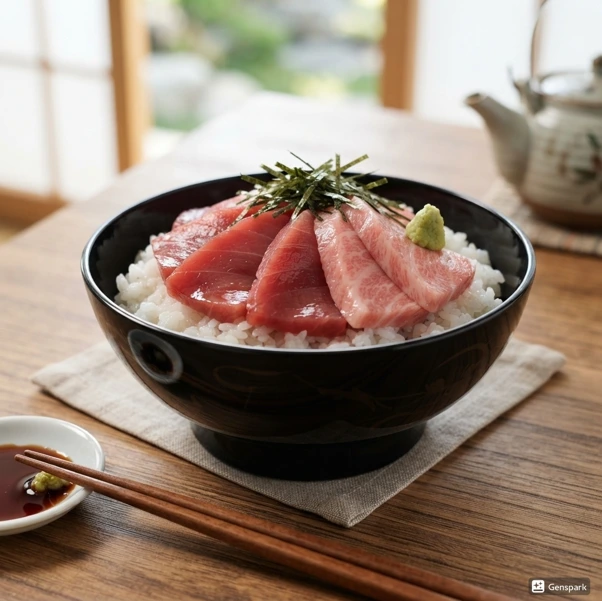
Kaisen Don (Seafood Rice Bowl)
Kaisen Don features premium sashimi-grade raw fish sliced and arranged artfully over warm
Japanese rice.
● Quick Recipe: Layer warm Japanese rice in a bowl and top with thinly sliced raw
tuna. Mix high-quality soy sauce with a dab of fresh wasabi paste, then drizzle lightly
over the fish just before eating to bring out its natural sweetness.
Suggested MainDish products:
● Blue Fin Tuna Sushi Grade
● Tanifuji Sticky Rice
● Wasabi Tube
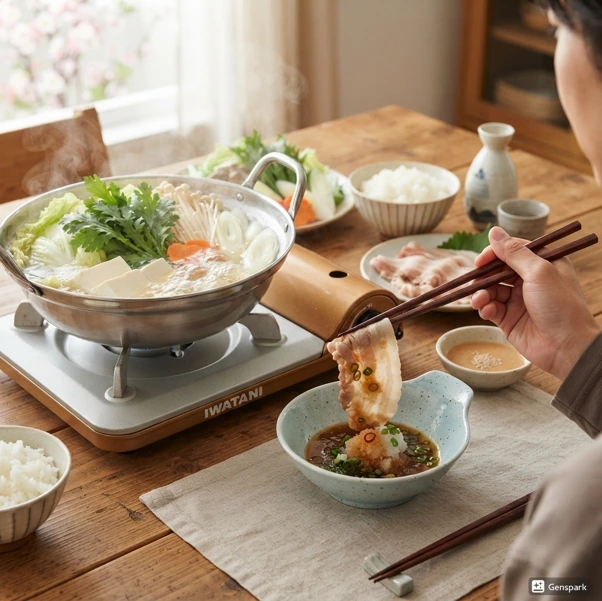
Shabu Shabu (Japanese Hot Pot)
Shabu Shabu is an interactive table-top hot pot where paper-thin slices of meat and
vegetables are swished gently in boiling broth before dipping into refreshing sauces.
● Quick Recipe: Simmer firm silken tofu and thin pork belly slices in a light kombu
dashi broth. Lift the tender meat and tofu straight from the pot and dip directly into
bright, citrusy ponzu sauce for a light, clean contrast to the rich pork.
Suggested MainDish products:
● Pork Belly 1mm – Lean Quick Cook
● Silken Tofu Firm
● Kombu Katsuo Tsuyu
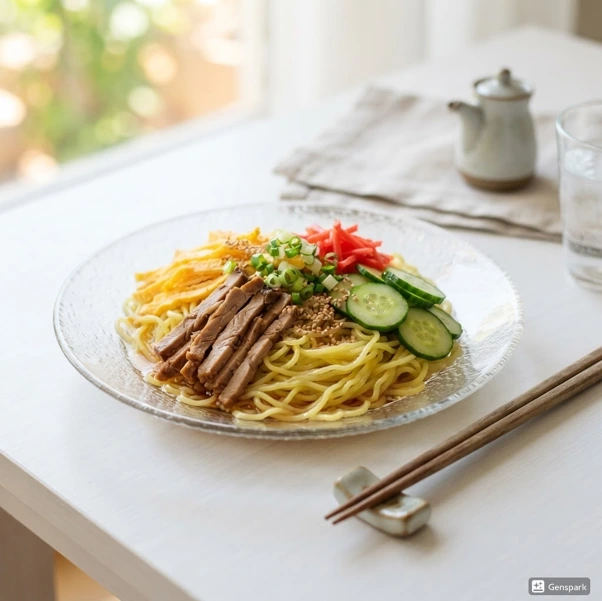
Hiyashi Chuka (Cold Sesame/Soy Noodle Salad)
Hiyashi Chuka is a refreshing summer staple consisting of chilled ramen noodles topped
with colorful strips of savory char siu pork, crunchy vegetables, and bright pickles.
● Quick Recipe: Boil and chill ramen noodles under cold running water. Drain
thoroughly, arrange sliced char siu pork and pickled ginger on top, and pour a chilled
mentsuyu-based dressing (diluted with a touch of rice vinegar and sesame oil) over
the bowl.
Suggested MainDish products:
● Ramen Noodles
● Sushi Pork Char Siu
● Beni Shoga Pickle
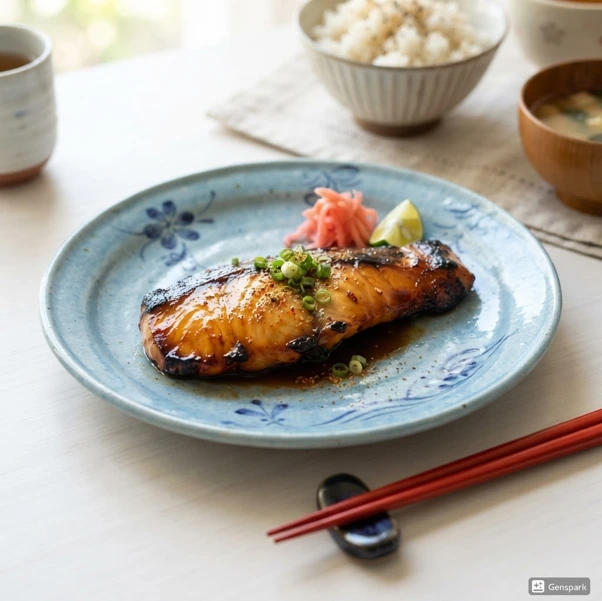
Gindara Teriyaki (Pan-Glazed Teriyaki Black Cod)
Gindara Teriyaki is a classic restaurant-grade fish dish featuring buttery black cod seared to
perfection in a glistening, savory-sweet reduction.
● Quick Recipe: Lightly dust black cod fillets with potato starch and pan-fry in oil until
golden. Pour in a mixture of soy sauce, sweet mirin, and sugar, simmering until the
sauce thickens into a glossy glaze that clings smoothly to the fish.
Suggested MainDish products:
● Mirin (Sweet Cooking Seasoning)
● Black Cod
● Potato Starch
Why Use Traditional Japanese Sauces Instead of Generic Cooking Oils & Salt?
While basic salt and pepper provide simple seasoning, Japanese liquid sauces introduce
multiple layers of complexity in a single splash.
Japanese sauces help:
● Introduce complex, naturally fermented umami notes
● Create glossy, eye-catching visual glazes without excessive fat
● Balance sweet, sour, and savory flavor elements instantly
● Tenderize meats during marinades and pan-searing
● Reduce preparation time by using pre-balanced, authentic bases
For this reason, keeping a well-curated selection of Japanese sauces in your pantry is the
fastest way to achieve authentic restaurant quality at home.
Popular Japanese Dishes That Use Essential Sauces
These versatile sauces appear across countless classic recipes, including:
● Sukiyaki Simmering Broth (Soy Sauce & Mirin base)
● Gyoza Dipping Sauce (Soy Sauce & Ponzu)
● Cold Zaru Soba & Hot Kitsune Udon (Mentsuyu)
● Chicken Teriyaki Don (Teriyaki Sauce)
● Agedashi Tofu (Mentsuyu & Dashi)
● Yakitori Skewers (Teriyaki / Tare glaze)
Frequently Asked Questions
No. Straight soy sauce lacks the citrus acidity of ponzu and the dashi broth sweetness of
mentsuyu. While you can blend soy sauce with citrus juice or dashi stock at home, using the
dedicated sauce provides balanced flavor instantly.
Yes. Once opened, essential Japanese sauces—especially ponzu and mentsuyu—should
be stored in the refrigerator to maintain their fresh aroma, citrus tang, and delicate dashi
notes.
Not quite. While both contain soy sauce and sweeteners, authentic Japanese teriyaki glaze
relies heavily on mirin or sake to create its signature glossy shine, deep aroma, and clean
finish without relying on artificial thickeners.
Most commercial mentsuyu is concentrated. Check the package label for dilution ratios:
usually 1 part mentsuyu to 1 part water for dipping sauces, or 1 part mentsuyu to 3–4 parts
water for hot noodle soups.
Final Thoughts
Mastering Japan’s essential sauces is the key to unlocking authentic flavors in your own
kitchen. Whether you rely on the bright citrus kick of ponzu, the comforting dashi depth of
mentsuyu, or the silky shine of teriyaki glaze, these liquid seasonings offer unparalleled
convenience and versatility. Keeping these staples alongside your favorite grains and
proteins will empower you to cook healthy, delicious, and beautifully balanced Japanese
meals with total confidence.